



To Help, to Heal, to Serve
The Teutonic Order originated from a remarkable act of Christian charity. In 1190, during the Third Crusade, citizens of Bremen and Lübeck established a field hospital near Acre using the sails of their ships in order to care for wounded crusaders. Eight years later (1198), the hospital brotherhood of the brothers and sisters of the House of St Mary of the Germans in Jerusalem was transformed, with papal blessing, into a knightly order. Four years later (1202), a first foundation was established in Bolzano, marking the beginning of the Order’s uninterrupted presence in Tyrol.
The Teutonic Order understands its mission as the care of the sick, the elderly and the poor, the promotion of Christian education, and the formation of children, young people and adults, in dialogue with the evolving forms of social care.
The Order

Brothers, Sisters, and Familiars
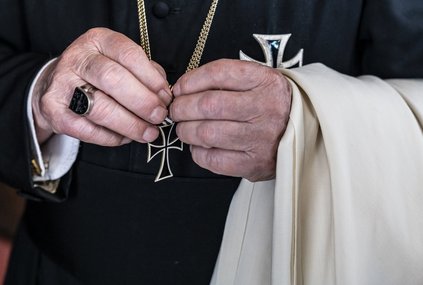
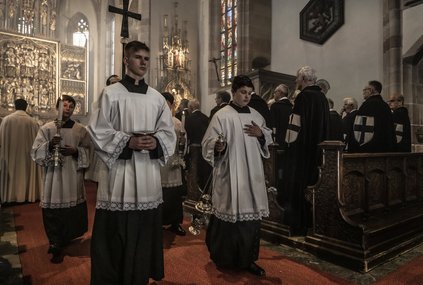
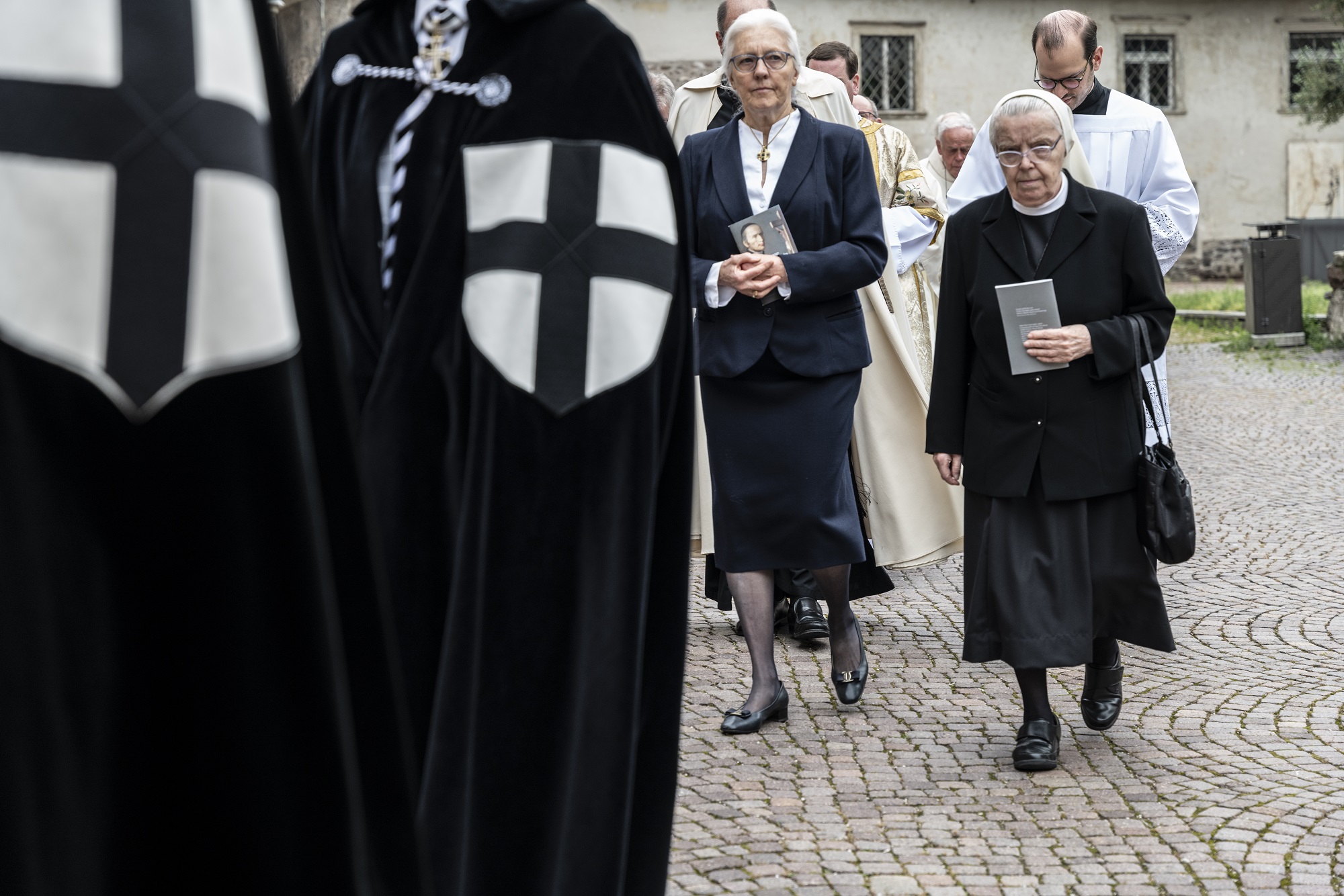
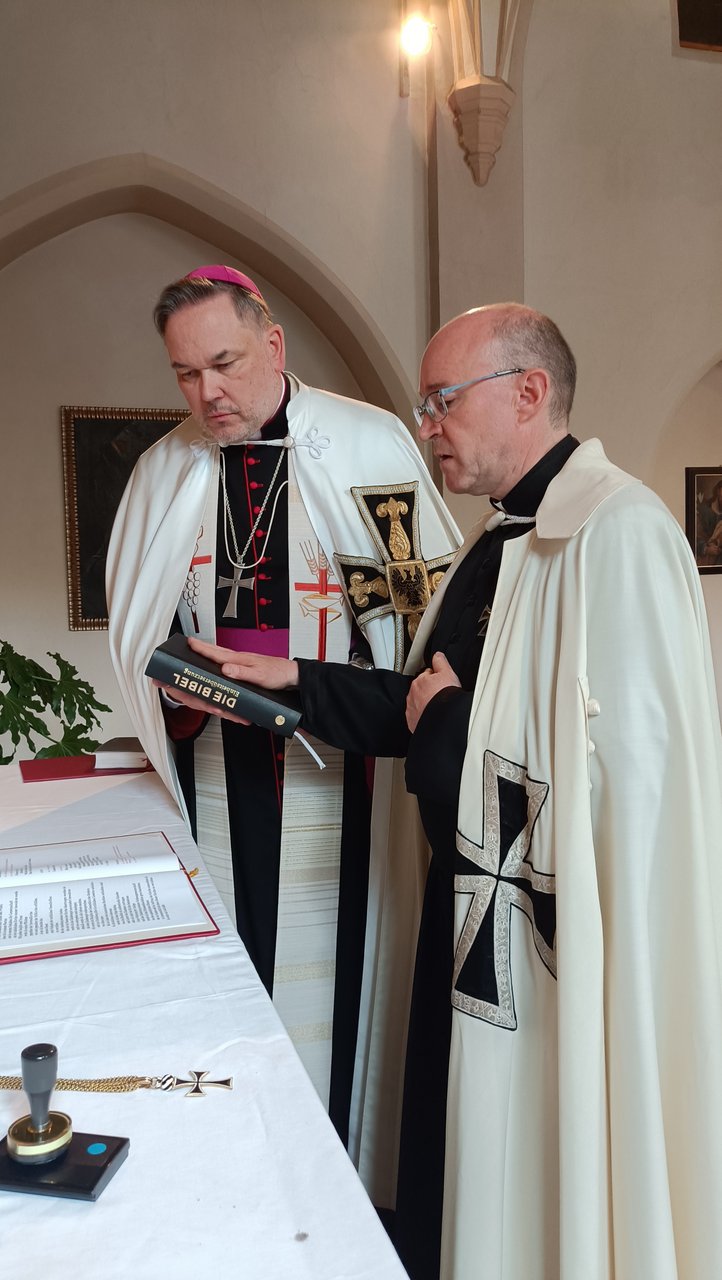
The Order is structured into three branches: the brothers, the sisters, and the familiars. The first two bind themselves to the Order through the profession of perpetual vows, while the familiars are affiliated with the Order by means of a solemn promise. All are subject to the authority of the Grand Master (Hochmeister), who resides in Vienna. The brothers and sisters are organised into provinces and maintain their houses in Austria, Germany, the Czech Republic, Slovakia, Slovenia, and South Tyrol/Italy. The familiars are organised into bailiwicks (Balleien), which are in turn subdivided into commanderies (Komtureien).
Mission & Works

The community at the service of humanity
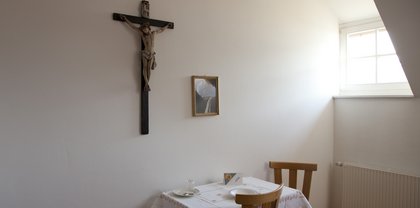
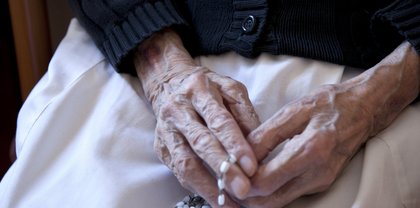
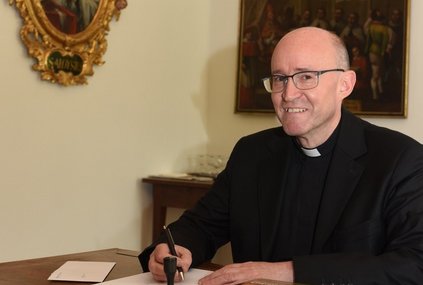
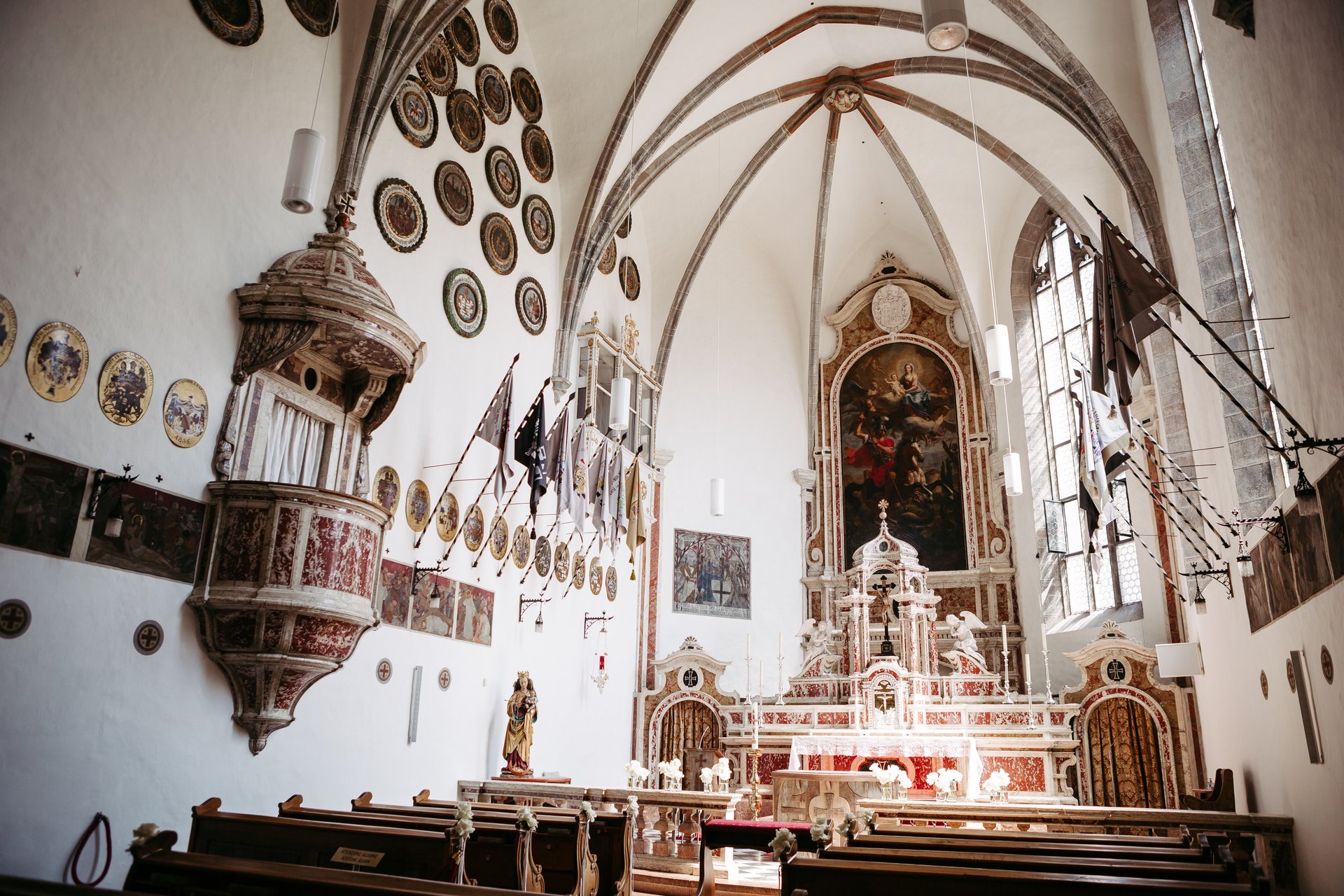
Since its foundation in 1190 in the Holy Land as a hospital community, the aim of the Teutonic Order has always been to be at the service of those in need. The brothers bind themselves to the Order by professing the vows of consecrated chastity, evangelical poverty, and obedience. "The heart of the Order’s community is the convent. There, communal life and the cultural heritage of the Order are to be nurtured with particular care," states the Rule of the Order, which serves as the guiding programme for communal life.

EDUCATION
Tradition meets Innovation
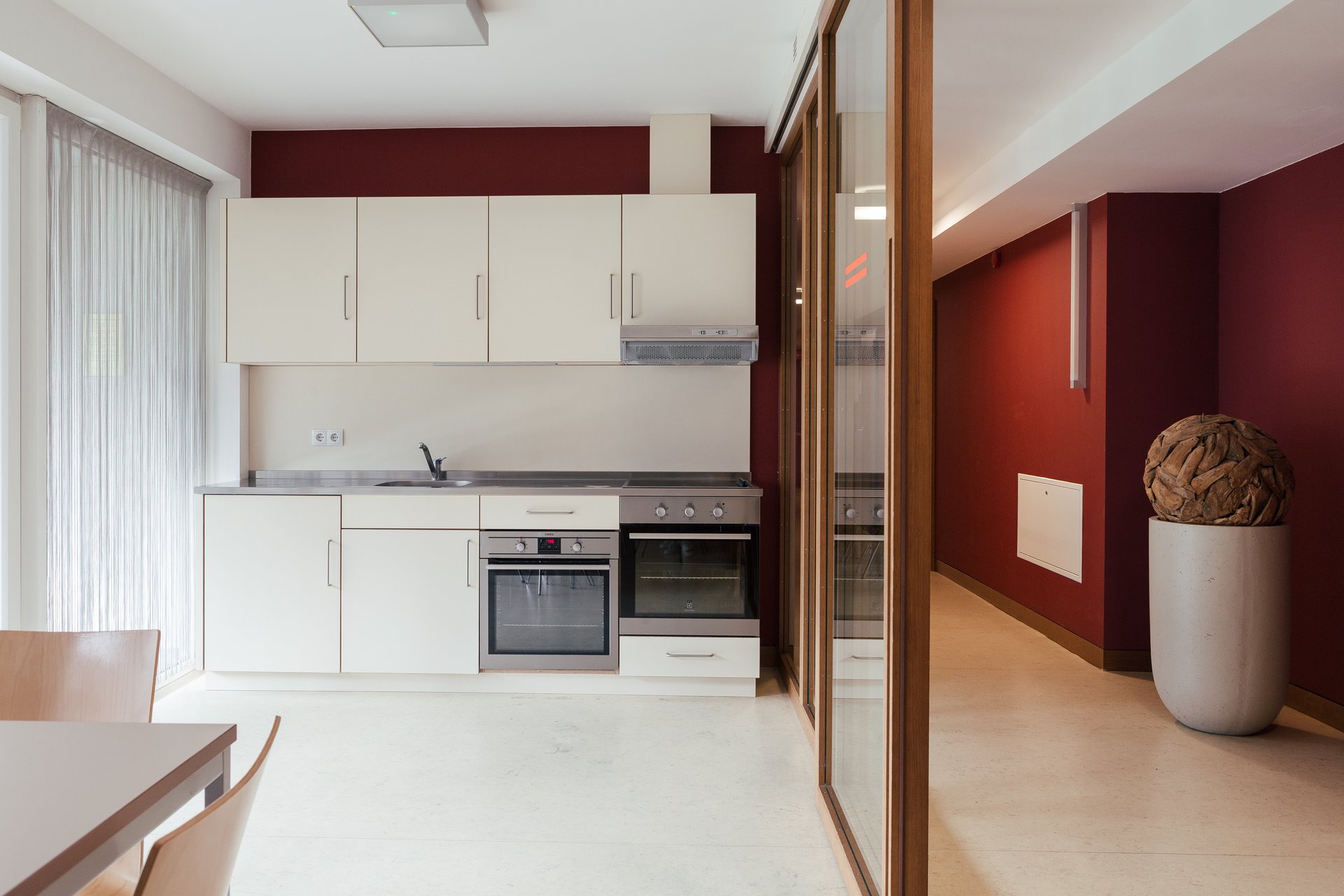
The Teutonic Order operates boarding houses for schoolchildren and students, providing young people with a sense of belonging and security. For centuries, one of the Order’s central tasks has been to offer those travelling for educational purposes a true home away from home. Today, students from all over the world find comfortable and affordable accommodation in the Order’s boarding houses.
The principles of the Order remain guiding even in this context: the residences not only support learning, but also create spaces for friendship, social interaction, and cultural exchange.
HOSPITALITY


A save haven on the road
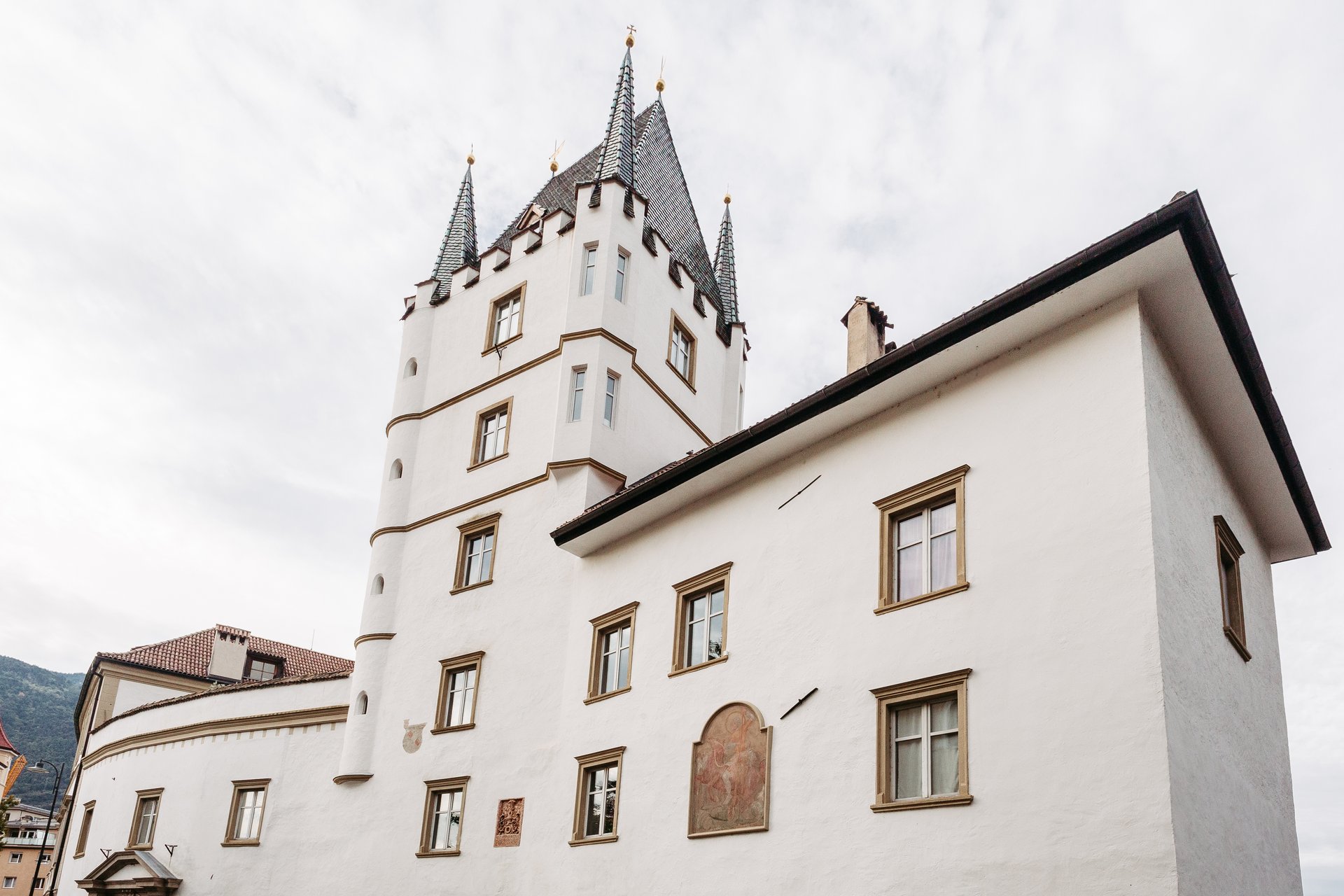
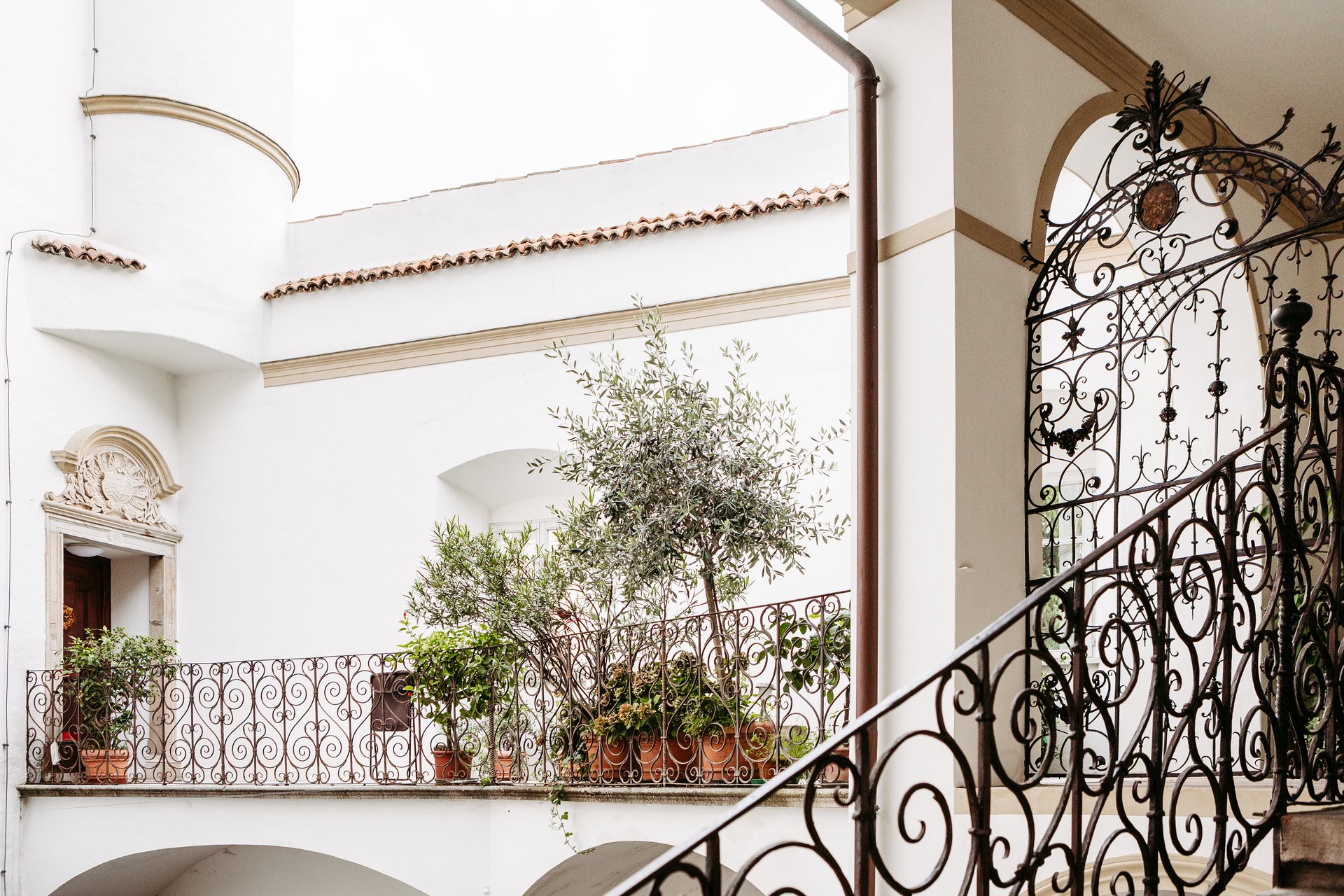
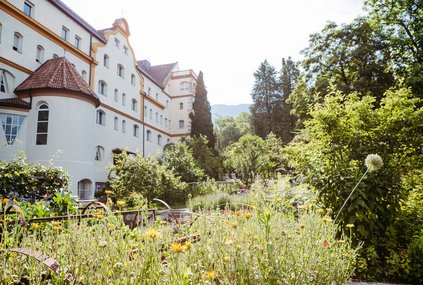
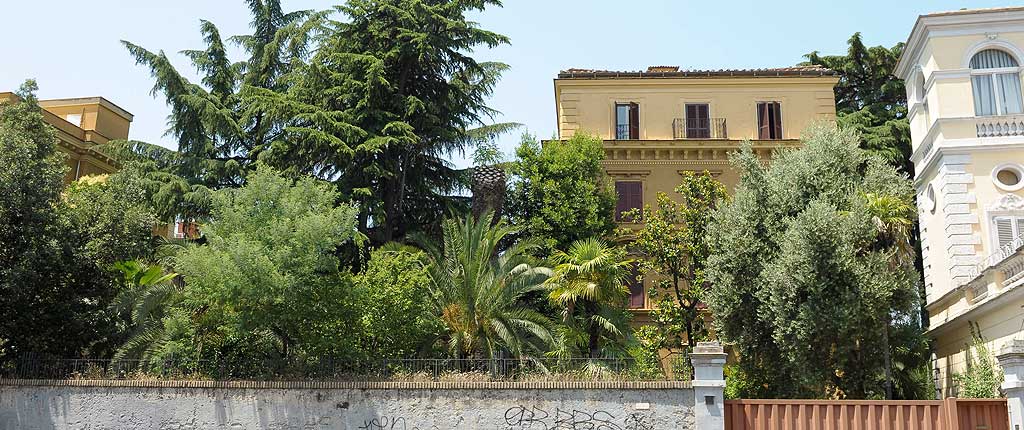
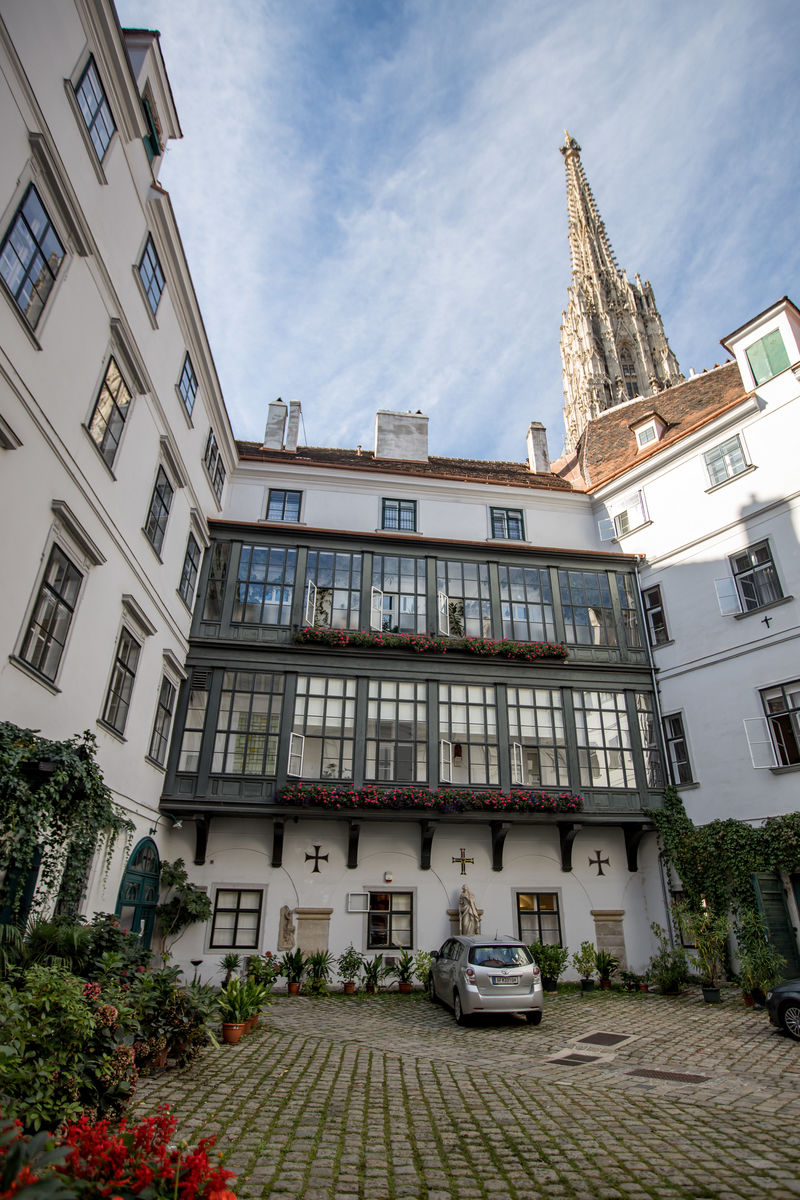
The Teutonic Order operates a number of guesthouses where one principle prevails: travellers should feel at home. Welcoming people on their journeys and providing them with a safe and comfortable dwelling – even if only temporarily – has been a responsibility the Order has embraced for nearly a millennium. Originally, these houses primarily offered pilgrims secure walls in uncertain times. Today, they accommodate travellers from all over the world, providing lodgings that are both generous and affordable.
ESTATE MANAGEMENT

Agriculture and Self-sufficiency
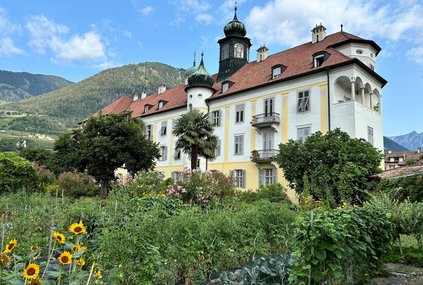
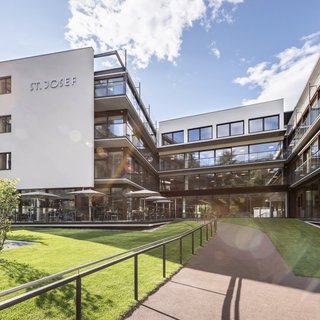
The Order manages and operates agricultural estates, particularly in fruit-growing and viticulture, in locations such as Lana, Ultental, Merano, Gargazon, Siebeneich, Ritten, and Sarntal. These estates represent an important economic pillar, being active both in agriculture and in supplying the Order’s own facilities with high-quality products. Among these facilities are, for example, the bar and the Mensana at ST. JOSEF Meran, which are directly supplied by the Order’s estates.
HEALTH & CARE
Focusing on the person
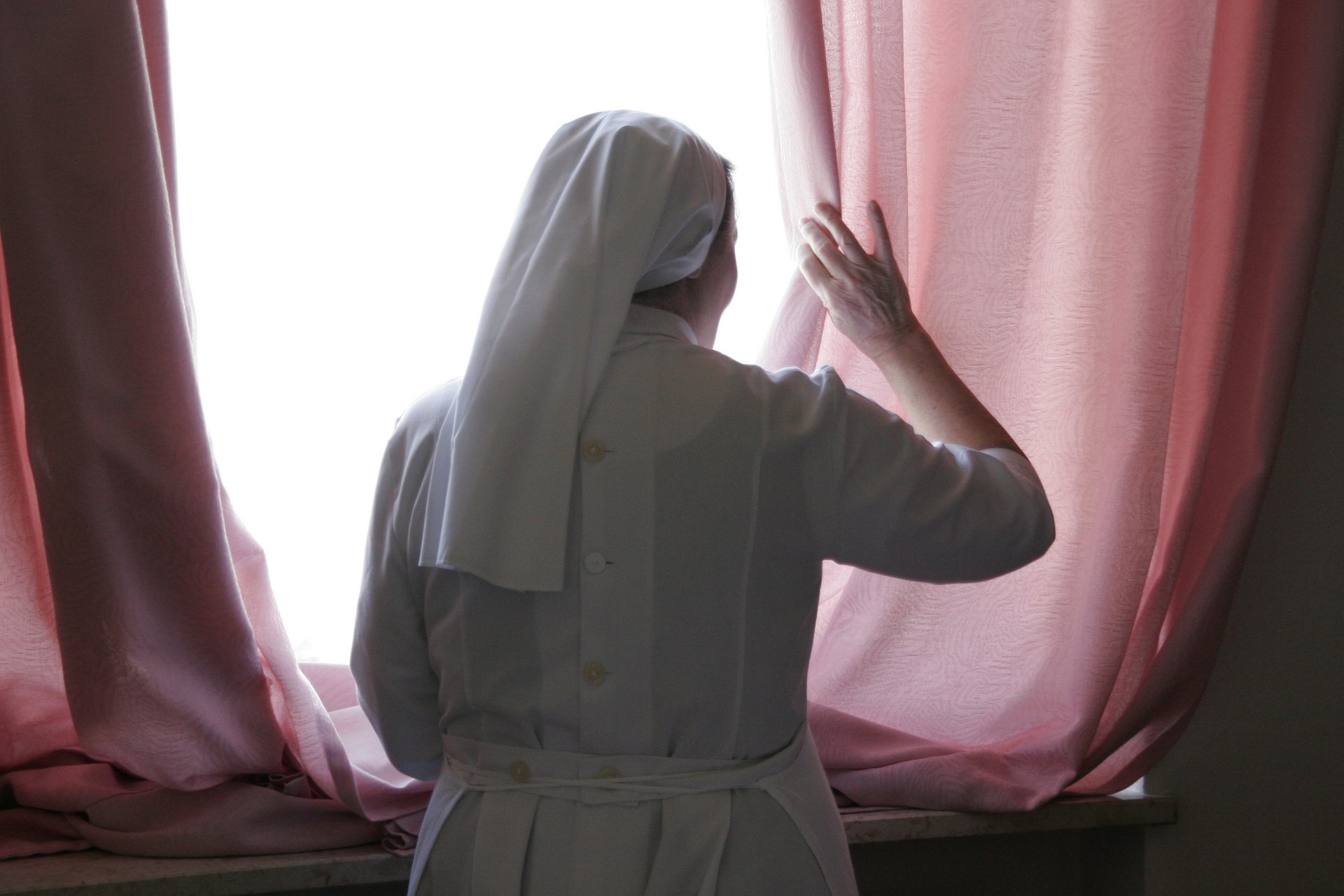
To be there for others, prioritise their needs and care for them. The Teutonic Sisters of Lana have put this guiding principle of helping and healing into practice in a range of institutions, including nursing homes, homes for the elderly and the ST. JOSEF Health Centre Merano -Bolzano. In addition to treating diseases, the primary focus here is on reducing them – through prevention and health care in all their forms and manifestations.
Gallery
Insights
Insights